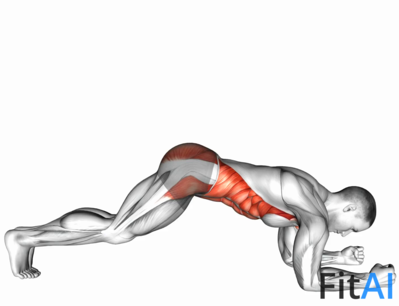
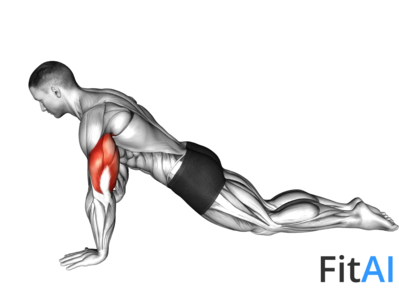
Jump Box
Expert Advice
Land softly on the box with your knees slightly bent to absorb the impact and protect your joints.
How-to-do Steps
- Stand in front of a sturdy box or platform at an appropriate height.
- Lower into a quarter squat and swing your arms back.
- Explode upwards through your legs and swing your arms forward to help with momentum.
- Land with both feet fully on the box, knees bent to absorb the impact.
- Stand up straight, then step back down and reset for the next jump.
- Repeat for the desired number of repetitions.
Track Jump Box in FitAI
Log your sets, reps, and weights automatically. Get AI-powered progressive overload recommendations and form feedback — personalized to your training history.
Muscles Worked
Jump Box primarily targets the Glutes, Hamstrings, Calves, Quads, Abs, Chest, Shoulders, Traps, with Cardio mechanics using Body Weight. Understanding muscle activation patterns helps you focus on proper engagement and maximize training effectiveness.
Primary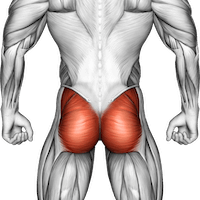
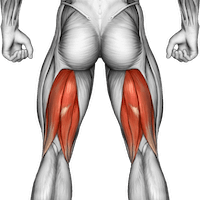
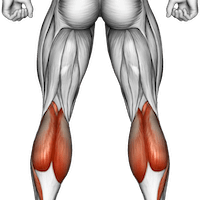
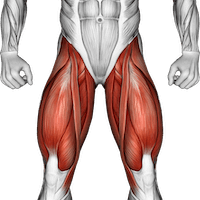
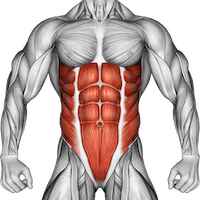
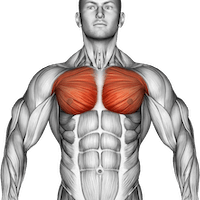
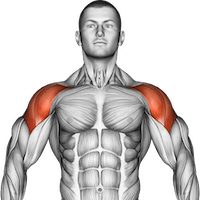
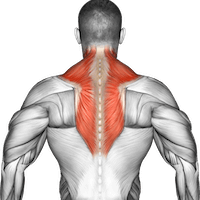
Glutes12%
Hamstrings12%
Calves12%
Quads12%
Abs12%
Chest10%
Shoulders10%
Traps20%
Equipment Body Weight
Exercise Type
Cardio
Sets & Reps Guidance
Beginner3 x 8-10
Intermediate3 x 12-15
Advanced4 x 15-20
Frequently Asked Questions
What muscles does Jump Box work?
Jump Box primarily targets the Glutes, Hamstrings, Calves, Quads, Abs, Chest, Shoulders, Traps. It is classified as a Cardio exercise performed with Body Weight.
How many sets and reps should I do for Jump Box?
For beginners, start with 3 sets of 8-10. Intermediate lifters can do 3 sets of 12-15. Advanced athletes can push to 4 sets of 15-20. Adjust based on your goals and recovery capacity.
Is Jump Box suitable for beginners?
Jump Box is rated as an advanced exercise and is best suited for experienced lifters. Beginners should build foundational strength with simpler movements first before attempting this exercise.