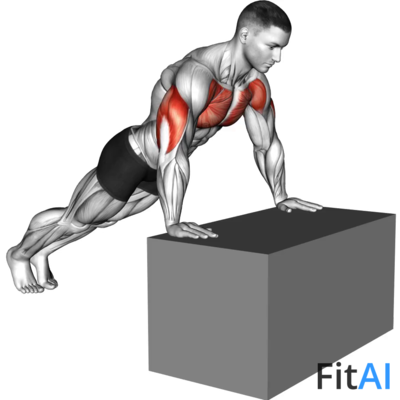
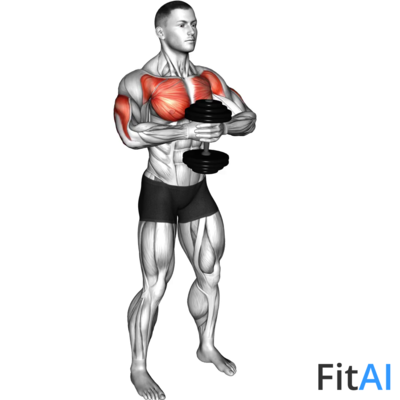
Dumbbell Fly
Expert Advice
Keep your chest up and shoulder blades retracted to create a stable base and maximize chest engagement.
How-to-do Steps
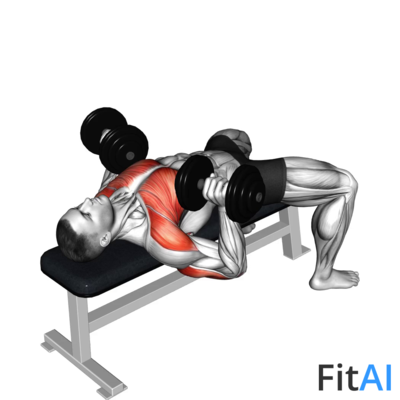
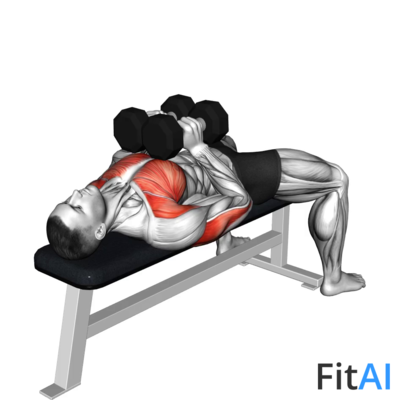
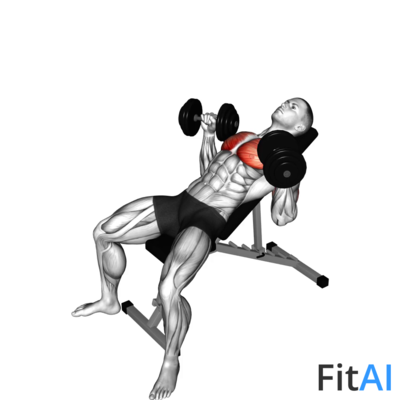
- Lie flat on a bench with a dumbbell in each hand, arms extended above your chest.
- With a slight bend in your elbows, open your arms wide, lowering the weights to either side.
- Stop when your elbows are in line with your chest and you feel a stretch.
- Bring the dumbbells back together in a smooth arc, squeezing your chest at the top.
- Repeat for the desired number of repetitions.
Track Dumbbell Fly in FitAI
Log your sets, reps, and weights automatically. Get AI-powered progressive overload recommendations and form feedback — personalized to your training history.
Muscles Worked
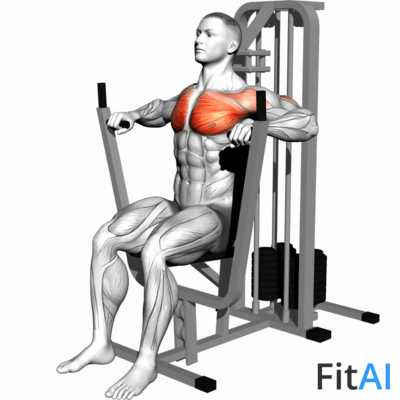
Dumbbell Fly primarily targets the Chest, with Strength mechanics using Dumbbell. Understanding muscle activation patterns helps you focus on proper engagement and maximize training effectiveness.
Primary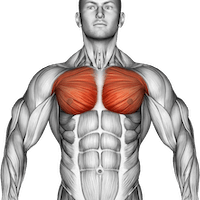
Chest60%
Secondary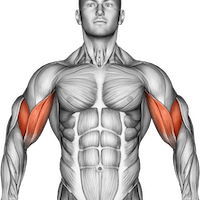
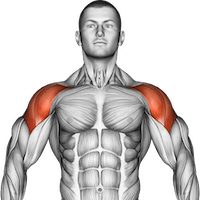
Biceps20%
Shoulders20%
Equipment Dumbbell
Exercise Type
Strength
Sets & Reps Guidance
Beginner3 x 10-12
Intermediate4 x 8-10
Advanced4 x 6-8
Frequently Asked Questions
What does Dumbbell Fly work?
This exercise directly targets your chest, with secondary activation in your biceps and shoulders. It is one of the most popular chest exercises in the gym and uses a dumbbell.
What is the most common mistake with Dumbbell Fly?
The biggest mistake is flaring your elbows too wide, which shifts the load off your chest and onto your shoulders. Slow down, focus on feeling the chest work through the full range of motion, and use a weight or difficulty level you can actually control.
How many sets and reps should I do for Dumbbell Fly?
Start with 3 sets of 10 to 15 reps. If the exercise works one side at a time, do 10 to 15 reps per side. Rest 30 to 60 seconds between sets. Pick a weight that makes the last 2 to 3 reps feel challenging but doable with good form. Track your sets in the FitAI app to make sure you are progressing over time.
What can I do instead of Dumbbell Fly if I don't have a dumbbell?
You can substitute a resistance band or water bottles for light resistance and still target your chest effectively. The key is keeping the same movement pattern and range of motion. The resistance source matters less than how you control the movement.