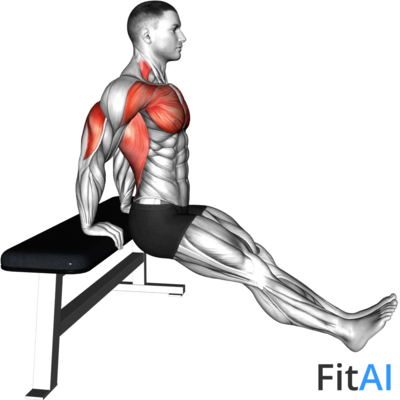
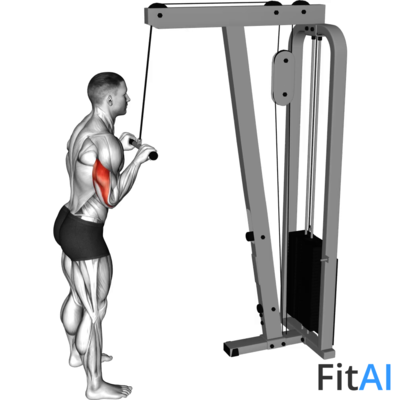
Handstand
Expert Advice
Keep your body in a straight line from your hands to your toes, and engage your core to maintain balance. Practice against a wall before attempting a freestanding handstand.
How-to-do Steps
- Begin in a lunge with your hands on the floor, shoulder-width apart.
- Kick up with your back leg, bringing the other leg to meet it in the air.
- Straighten your body, pointing your toes towards the ceiling.
- Keep your gaze between your hands and press through your shoulders.
- Hold the position, maintaining a tight core and controlled breathing.
Track Handstand in FitAI
Log your sets, reps, and weights automatically. Get AI-powered progressive overload recommendations and form feedback — personalized to your training history.
Muscles Worked
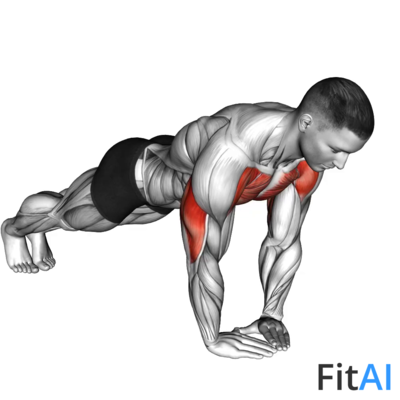
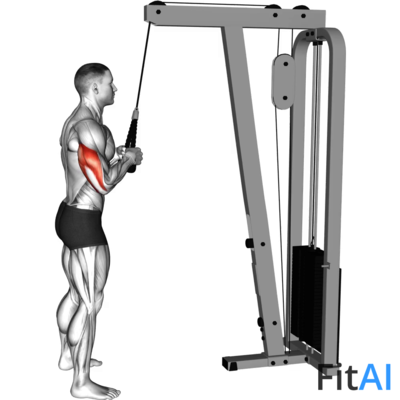
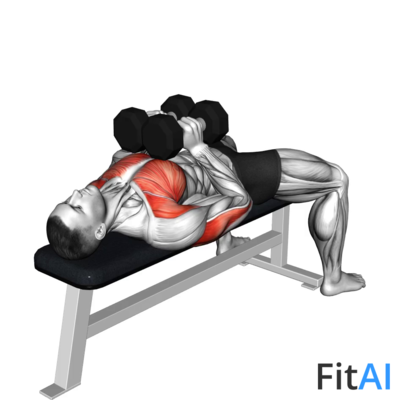
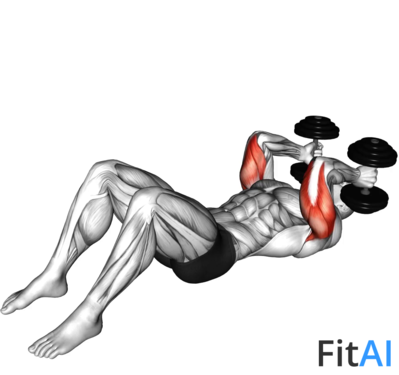
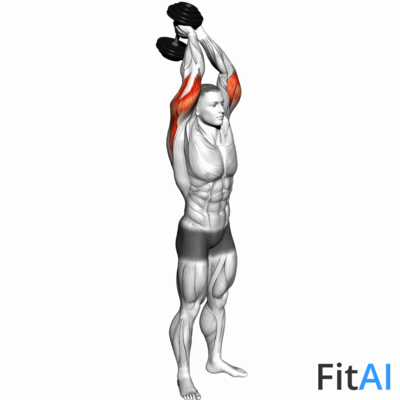
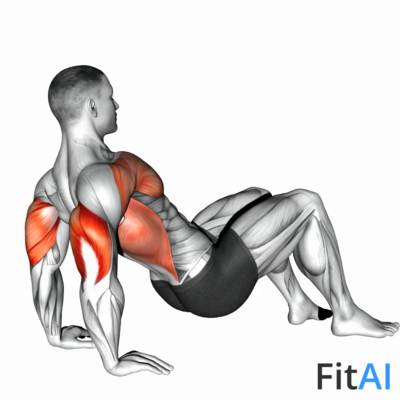
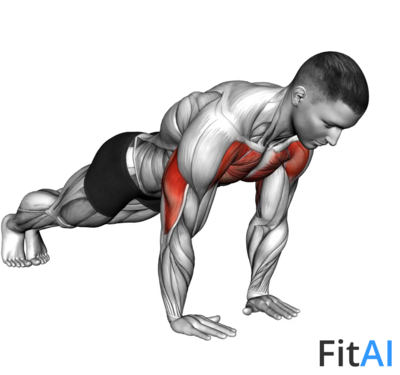
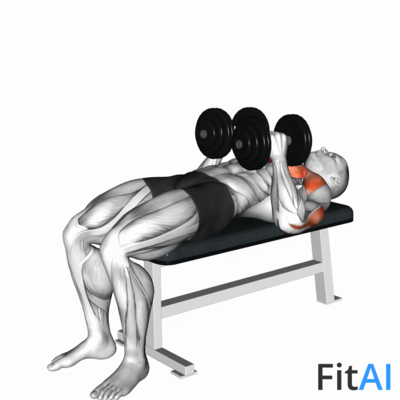
Handstand primarily targets the Triceps, with Strength mechanics using Body Weight. Understanding muscle activation patterns helps you focus on proper engagement and maximize training effectiveness.
Primary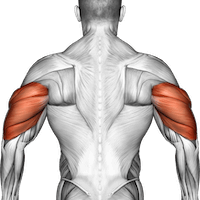
Triceps30%
Secondary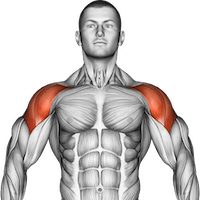
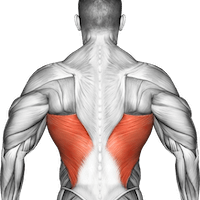
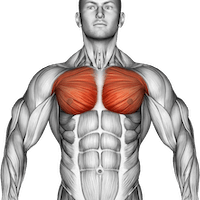
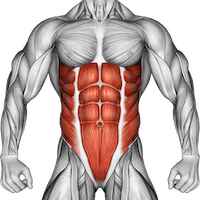
Shoulders20%
Lats20%
Chest15%
Abs15%
Equipment Body Weight
Exercise Type
Strength
Sets & Reps Guidance
Beginner2 x 10-12
Intermediate3 x 8-10
Advanced4 x 6-8
Frequently Asked Questions
What muscles does Handstand work?
Handstand primarily targets the Triceps. Secondary muscles involved include Shoulders, Lats, Chest, Abs. It is classified as a Strength exercise performed with Body Weight.
How many sets and reps should I do for Handstand?
For beginners, start with 2 sets of 10-12. Intermediate lifters can do 3 sets of 8-10. Advanced athletes can push to 4 sets of 6-8. Adjust based on your goals and recovery capacity.
Is Handstand suitable for beginners?
Handstand is rated as an advanced exercise and is best suited for experienced lifters. Beginners should build foundational strength with simpler movements first before attempting this exercise.