
6 exercises
The Best 6 Rollball Exercises with Videos & Tips
Browse rollball exercises for core activation and stability training. Every movement features HD video guidance and technique cues to help you develop deep core strength, improve balance, and enhance body control.
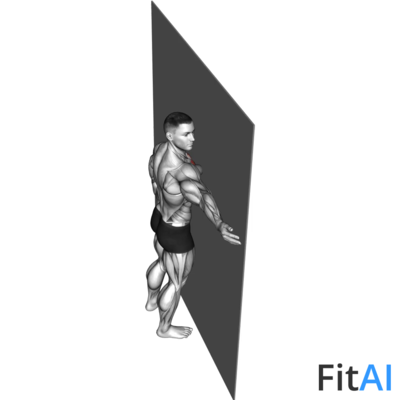
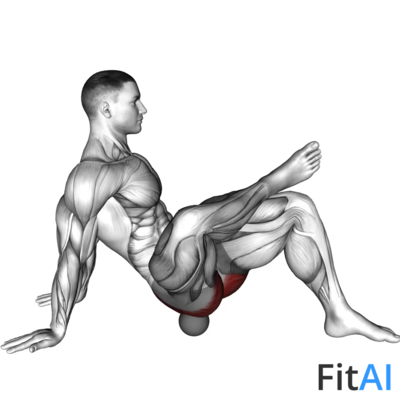
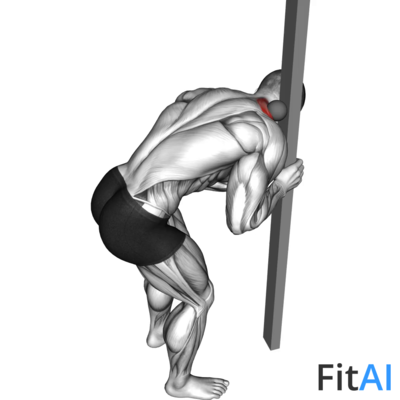
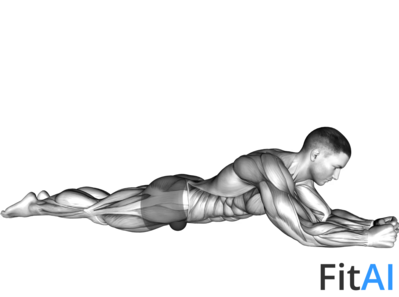
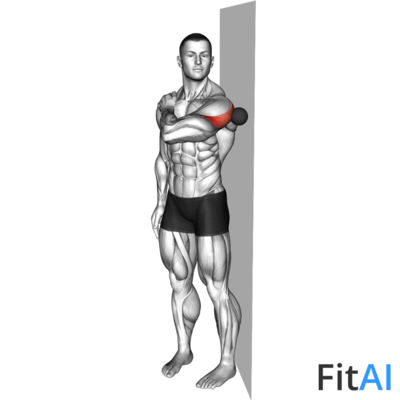
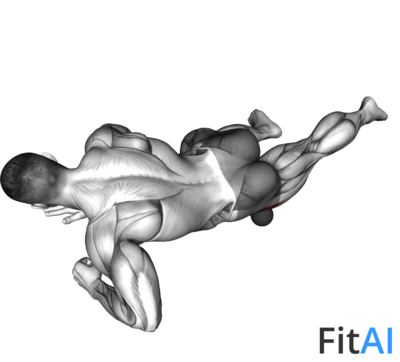
Frequently Asked Questions
What is rollball myofascial release?
Rollball myofascial release uses a small, firm ball to apply targeted pressure to specific muscles and soft tissue. Unlike a foam roller which covers a broad area, the small contact surface of a rollball allows you to pinpoint tight spots in hard-to-reach areas such as the piriformis, iliotibial band, deltoid, upper trapezius, and hip flexors. The technique involves slow, controlled rolling and sustained pressure on tender points to reduce muscle tension.
How is a rollball different from a foam roller?
A foam roller covers a large surface area and is best for broad muscle groups like the quads, hamstrings, and thoracic spine. A rollball's smaller surface concentrates pressure much more intensely, making it more effective for small, deep muscles that a foam roller cannot reach, like the piriformis (deep glute), tensor fasciae latae, posterior deltoid, and psoas. Use a foam roller for general warm-up and a rollball for targeted release of specific tight spots.
How do I use a rollball correctly?
Place the ball between your body and the floor or a wall, apply enough pressure to feel tension without sharp pain, and roll slowly until you find a tender spot. Once found, hold still on that point for 20–30 seconds while breathing deeply and letting the muscle relax; do not roll aggressively back and forth over it. Spend 1–2 minutes per muscle and avoid rolling directly over joints, bones, or areas with acute inflammation.