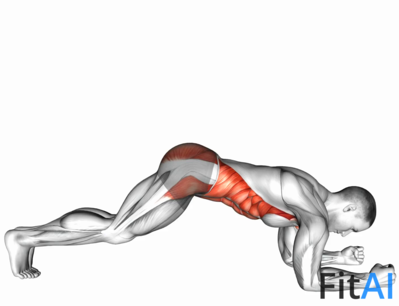
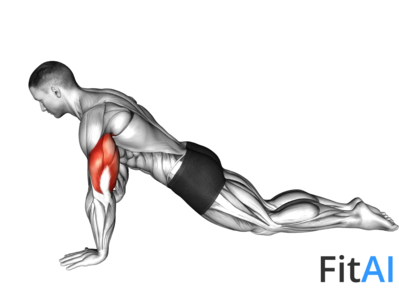
Star Obliques Twist High Knee
Expert Advice
Keep your movements sharp and precise, focusing on the contraction of your oblique muscles with each twist.
How-to-do Steps
- Stand with your feet wider than shoulder-width apart and arms extended to the sides at shoulder height.
- Lift your right knee towards your left elbow while twisting your torso.
- Return to the starting position and then lift your left knee towards your right elbow.
- Continue alternating sides for the desired number of repetitions.
Track Star Obliques Twist High Knee in FitAI
Log your sets, reps, and weights automatically. Get AI-powered progressive overload recommendations and form feedback — personalized to your training history.
Muscles Worked
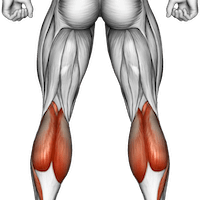
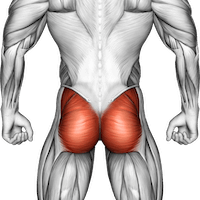
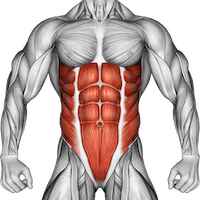
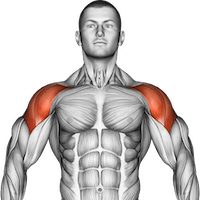
Star Obliques Twist High Knee primarily targets the Quads, Hamstrings, Calves, Glutes, Abs, Shoulders, Chest, with Cardio mechanics using Body Weight. Understanding muscle activation patterns helps you focus on proper engagement and maximize training effectiveness.
Primary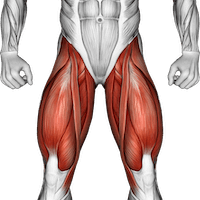
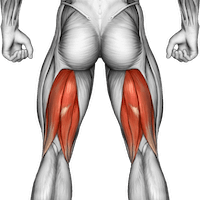
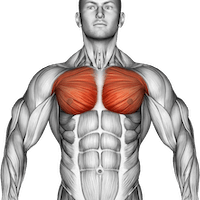
Quads14%
Hamstrings14%
Calves14%
Glutes14%
Abs14%
Shoulders15%
Chest15%
Equipment Body Weight
Exercise Type
Cardio
Sets & Reps Guidance
Beginner3 x 20s
Intermediate3 x 30s
Advanced4 x 45s
Frequently Asked Questions
What muscles does Star Obliques Twist High Knee work?
Star Obliques Twist High Knee primarily targets the Quads, Hamstrings, Calves, Glutes, Abs, Shoulders, Chest. It is classified as a Cardio exercise performed with Body Weight.
How many sets and reps should I do for Star Obliques Twist High Knee?
For beginners, start with 3 sets of 20s. Intermediate lifters can do 3 sets of 30s. Advanced athletes can push to 4 sets of 45s. Adjust based on your goals and recovery capacity.
Is Star Obliques Twist High Knee suitable for beginners?
Star Obliques Twist High Knee is rated as an advanced exercise and is best suited for experienced lifters. Beginners should build foundational strength with simpler movements first before attempting this exercise.