Run
Expert Advice
Maintain a tall posture and engage your core throughout the run to help prevent injuries and ensure efficient use of energy.
How-to-do Steps
- Start with a light warm-up jog to increase heart rate and loosen muscles.
- Gradually increase your pace to your desired speed, focusing on a smooth and rhythmic breathing pattern.
- Keep your arms bent at a 90-degree angle and swing them in coordination with your leg strides.
- Land softly on the midsole of your feet and quickly roll forward to push off from the toes.
- After completing your run, cool down with a slow jog or walk, followed by stretching.
Track Run in FitAI
Log your sets, reps, and weights automatically. Get AI-powered progressive overload recommendations and form feedback — personalized to your training history.
Muscles Worked
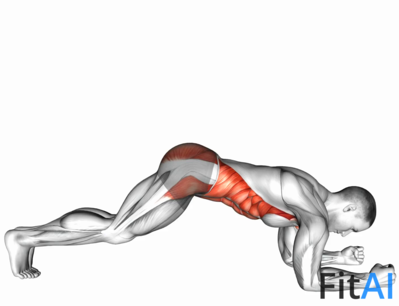
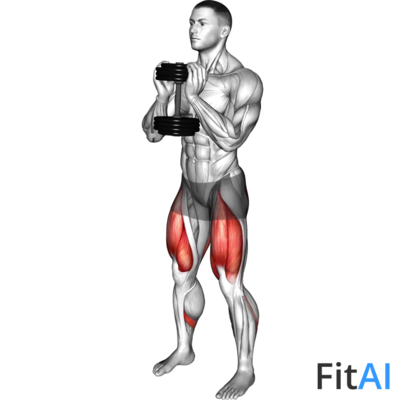
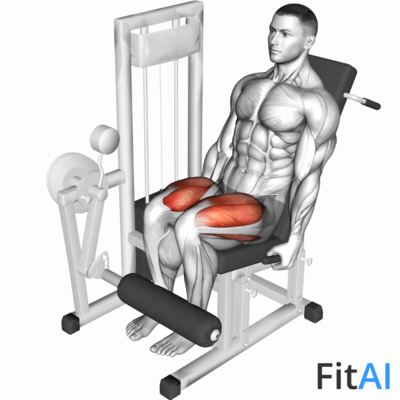
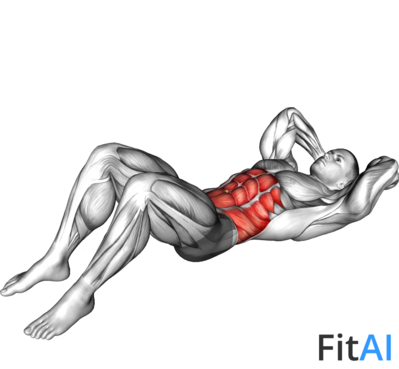
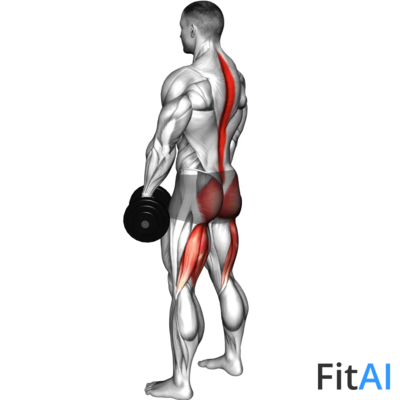
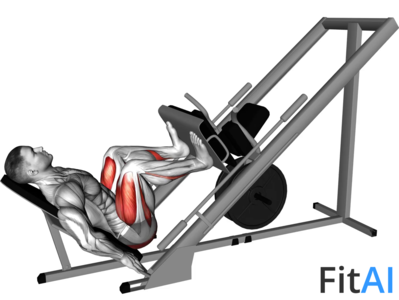
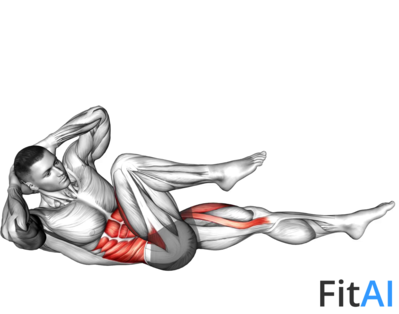
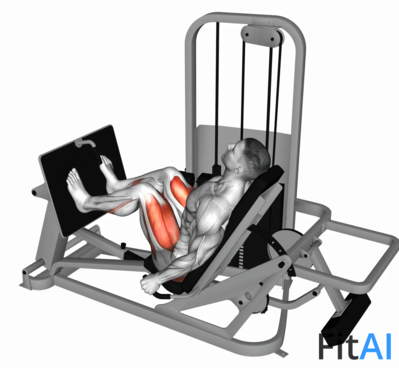
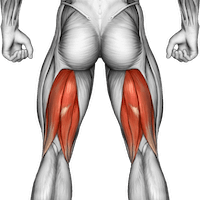
Run primarily targets the Glutes, Hamstrings, Calves, Quads, Abs, with Cardio mechanics using Body Weight. Understanding muscle activation patterns helps you focus on proper engagement and maximize training effectiveness.
Primary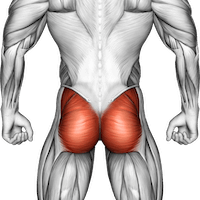
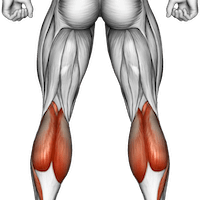
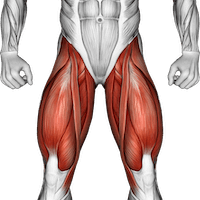
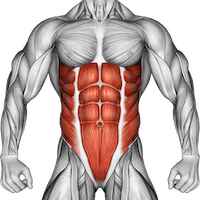
Glutes25%
Hamstrings25%
Calves20%
Quads20%
Abs10%
Equipment Body Weight
Exercise Type
Cardio
Sets & Reps Guidance
Beginner1 x 15-20min
Intermediate1 x 25-35min
Advanced1 x 40-60min
Frequently Asked Questions
What muscles does Run work?
Run primarily targets the Glutes, Hamstrings, Calves, Quads, Abs. It is classified as a Cardio exercise performed with Body Weight.
How many sets and reps should I do for Run?
For beginners, start with 1 sets of 15-20min. Intermediate lifters can do 1 sets of 25-35min. Advanced athletes can push to 1 sets of 40-60min. Adjust based on your goals and recovery capacity.
Is Run suitable for beginners?
Run is rated as intermediate difficulty. Beginners may want to start with lighter loads or simpler variations and progress to this exercise as their strength and coordination improve.