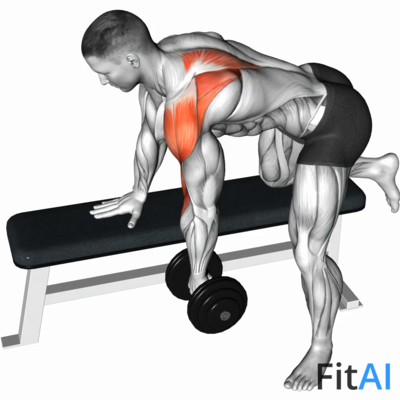
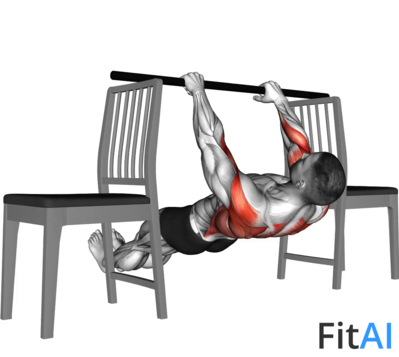
Lever Pronated-Grip Seated Scapular Retraction Shrug (Plate)
Expert Advice
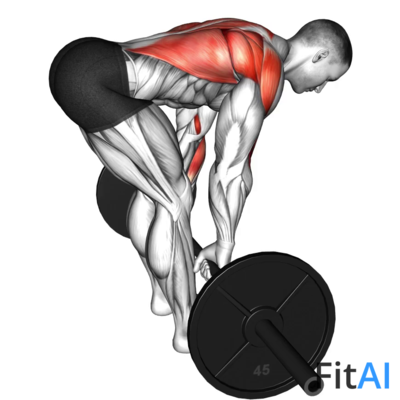
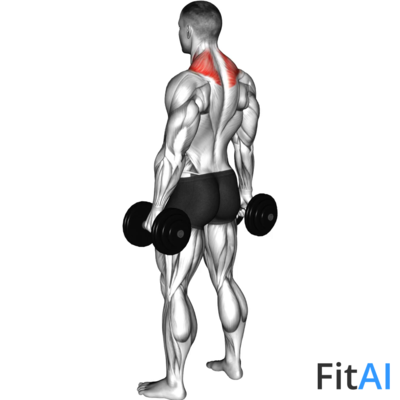
Keep your neck neutral and focus on the movement of your shoulder blades to target the traps.
How-to-do Steps
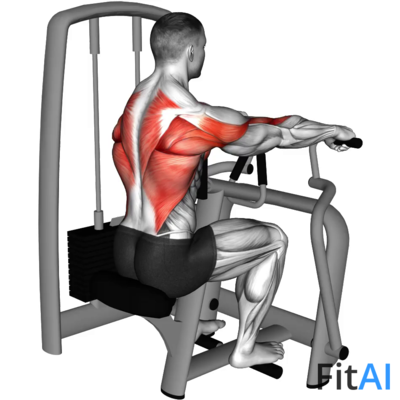
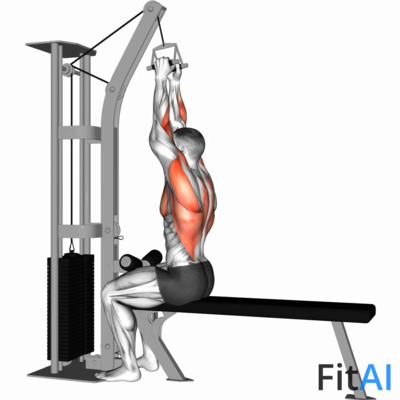
- Sit on the leverage machine with a straight back.
- Grasp the handles with a pronated grip.
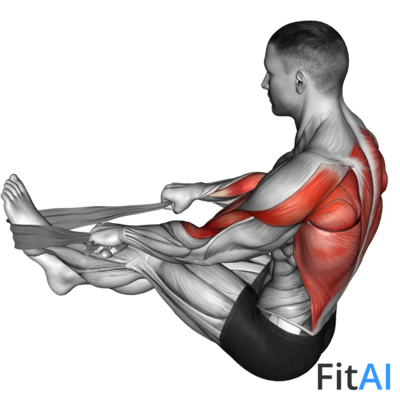
- Retract your scapula and elevate your shoulders in a shrugging motion.
- Hold for a moment, then slowly lower your shoulders back to the start.
- Repeat for the desired number of reps.
Track Lever Pronated-Grip Seated Scapular Retraction Shrug (Plate) in FitAI
Log your sets, reps, and weights automatically. Get AI-powered progressive overload recommendations and form feedback — personalized to your training history.
Muscles Worked
Lever Pronated-Grip Seated Scapular Retraction Shrug (Plate) primarily targets the Traps, with Strength mechanics using Leverage Machine. Understanding muscle activation patterns helps you focus on proper engagement and maximize training effectiveness.
Primary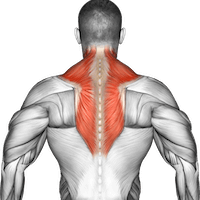
Traps70%
Secondary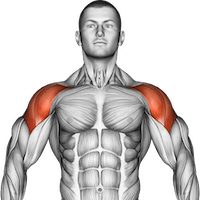
Shoulders30%
Equipment Leverage Machine
Exercise Type
Strength
Sets & Reps Guidance
Beginner2 x 10-12
Intermediate3 x 8-10
Advanced4 x 6-8
Frequently Asked Questions
What muscles does Lever Pronated-Grip Seated Scapular Retraction Shrug (Plate) work?
Lever Pronated-Grip Seated Scapular Retraction Shrug (Plate) primarily targets the Traps. Secondary muscles involved include Shoulders. It is classified as a Strength exercise performed with Leverage Machine.
How many sets and reps should I do for Lever Pronated-Grip Seated Scapular Retraction Shrug (Plate)?
For beginners, start with 2 sets of 10-12. Intermediate lifters can do 3 sets of 8-10. Advanced athletes can push to 4 sets of 6-8. Adjust based on your goals and recovery capacity.
Is Lever Pronated-Grip Seated Scapular Retraction Shrug (Plate) suitable for beginners?
Lever Pronated-Grip Seated Scapular Retraction Shrug (Plate) is rated as an advanced exercise and is best suited for experienced lifters. Beginners should build foundational strength with simpler movements first before attempting this exercise.