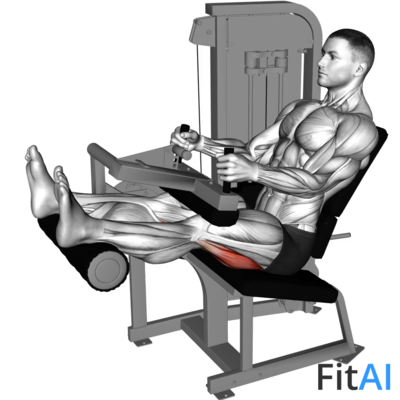
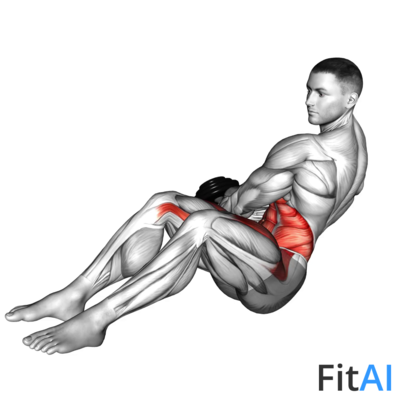
Hook Kick Kickboxing (Boxing bag)
Expert Advice
Keep your supporting foot pivoted and your body balanced to generate power and prevent injury. Rotate your hips to increase the force of the kick.
How-to-do Steps
- Stand in a fighting stance with the boxing bag to your side.
- Pivot on your front foot and rotate your hips as you lift your back leg.
- Swing your leg in a hooking motion to strike the bag with the heel or bottom of your foot.
- Quickly retract your leg and return to the fighting stance.
- Practice the kick for a set number of repetitions before switching to the other leg.
Track Hook Kick Kickboxing (Boxing bag) in FitAI
Log your sets, reps, and weights automatically. Get AI-powered progressive overload recommendations and form feedback — personalized to your training history.
Muscles Worked
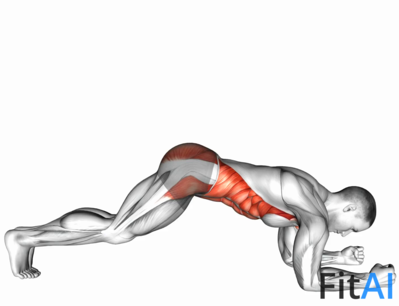
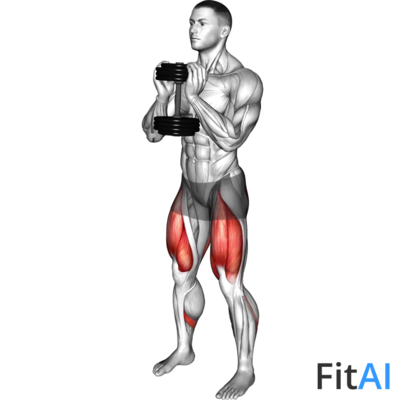
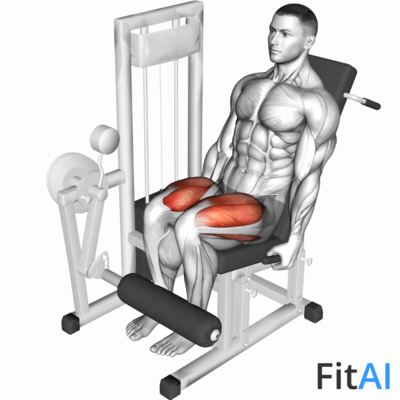
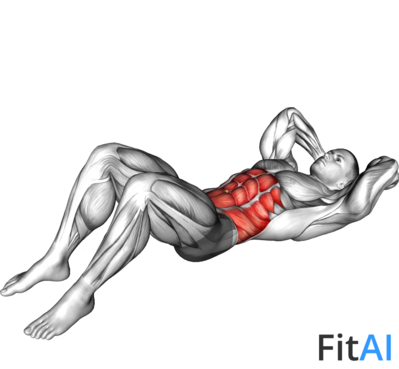
Hook Kick Kickboxing (Boxing bag) primarily targets the Quads, Hamstrings, Calves, Glutes, Abs, with Cardio mechanics using Special Equipment. Understanding muscle activation patterns helps you focus on proper engagement and maximize training effectiveness.
Primary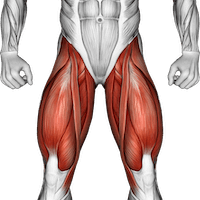
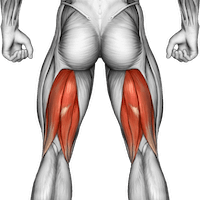
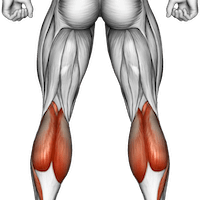
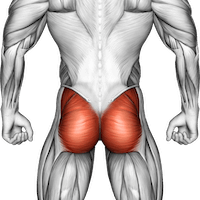
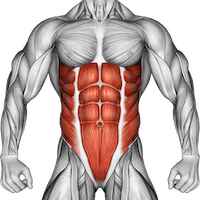
Quads20%
Hamstrings20%
Calves20%
Glutes20%
Abs20%
Equipment Special Equipment
Exercise Type
Cardio
Sets & Reps Guidance
Beginner3 x 20s
Intermediate3 x 30s
Advanced4 x 45s
Frequently Asked Questions
What muscles does Hook Kick Kickboxing (Boxing bag) work?
Hook Kick Kickboxing (Boxing bag) primarily targets the Quads, Hamstrings, Calves, Glutes, Abs. It is classified as a Cardio exercise performed with Special Equipment.
How many sets and reps should I do for Hook Kick Kickboxing (Boxing bag)?
For beginners, start with 3 sets of 20s. Intermediate lifters can do 3 sets of 30s. Advanced athletes can push to 4 sets of 45s. Adjust based on your goals and recovery capacity.
Is Hook Kick Kickboxing (Boxing bag) suitable for beginners?
Hook Kick Kickboxing (Boxing bag) is rated as intermediate difficulty. Beginners may want to start with lighter loads or simpler variations and progress to this exercise as their strength and coordination improve.