Bodyweight Standing Around World Wall Supported
Expert Advice
Maintain a strong core throughout the movement to stabilize your body and prevent arching of the lower back.
How-to-do Steps
- Stand with your back against a wall, feet shoulder-width apart.
- Extend your arms to the sides at shoulder height, palms facing forward.
- Slowly move your arms in a circular motion, touching your hands above your head and then lowering them back to the starting position.
- Perform the motion in both clockwise and counterclockwise directions.
- Repeat for the desired number of repetitions.
Track Bodyweight Standing Around World Wall Supported in FitAI
Log your sets, reps, and weights automatically. Get AI-powered progressive overload recommendations and form feedback — personalized to your training history.
Muscles Worked
Bodyweight Standing Around World Wall Supported primarily targets the Shoulders, with Strength mechanics using Body Weight. Understanding muscle activation patterns helps you focus on proper engagement and maximize training effectiveness.
Primary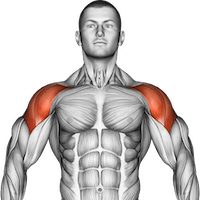
Shoulders40%
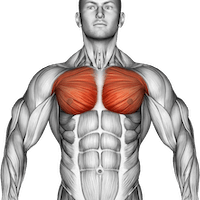
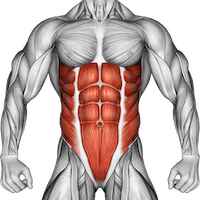
Secondary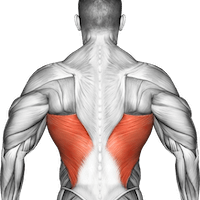
Lats20%
Chest20%
Abs20%
Equipment Body Weight
Exercise Type
Strength
Sets & Reps Guidance
Beginner3 x 12-15
Intermediate3 x 10-12
Advanced4 x 8-10
Frequently Asked Questions
What muscles does Bodyweight Standing Around World Wall Supported work?
Bodyweight Standing Around World Wall Supported primarily targets the Shoulders. Secondary muscles involved include Lats, Chest, Abs. It is classified as a Strength exercise performed with Body Weight.
How many sets and reps should I do for Bodyweight Standing Around World Wall Supported?
For beginners, start with 3 sets of 12-15. Intermediate lifters can do 3 sets of 10-12. Advanced athletes can push to 4 sets of 8-10. Adjust based on your goals and recovery capacity.
Is Bodyweight Standing Around World Wall Supported suitable for beginners?
Yes, Bodyweight Standing Around World Wall Supported is rated as a beginner-friendly exercise, making it an excellent starting point. Focus on mastering proper form before increasing intensity or load.