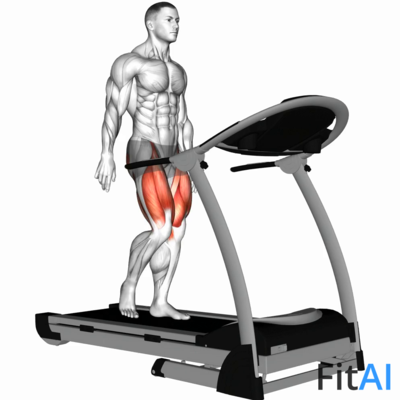
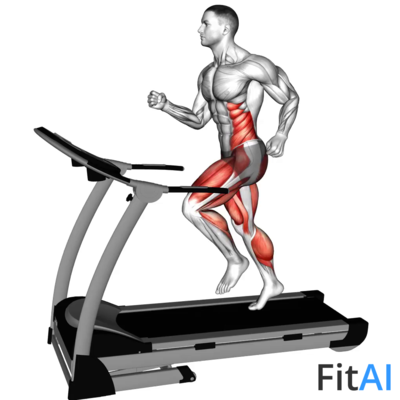
Inverse Leg Curl (on pull-up cable machine)
Expert Advice
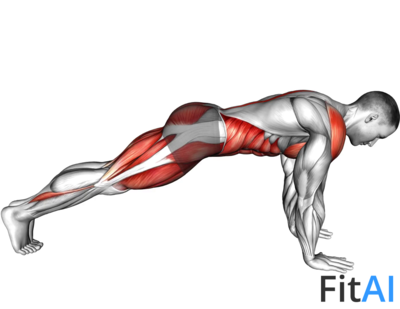
Keep your hips extended and body in a straight line to ensure proper hamstring engagement and to prevent lower back strain.
How-to-do Steps
- Secure your ankles under the leg hold-down pads of a pull-up cable machine.
- Lie face down with your body straight, arms crossed in front of you.
- Curl your legs up towards your glutes, contracting your hamstrings.
- Slowly lower your legs back to the starting position.
- Repeat for the desired number of repetitions.
Track Inverse Leg Curl (on pull-up cable machine) in FitAI
Log your sets, reps, and weights automatically. Get AI-powered progressive overload recommendations and form feedback — personalized to your training history.
Muscles Worked
Inverse Leg Curl (on pull-up cable machine) primarily targets the Hamstrings, with Strength mechanics using Special Bench. Understanding muscle activation patterns helps you focus on proper engagement and maximize training effectiveness.
Primary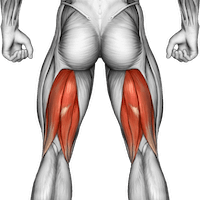
Hamstrings30%
Secondary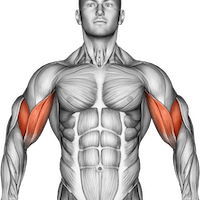
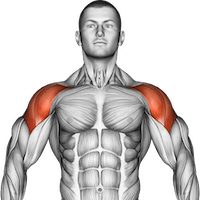
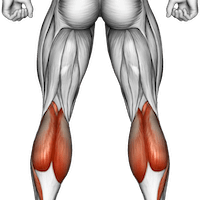
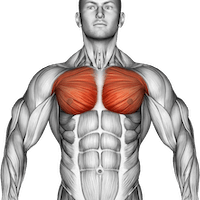
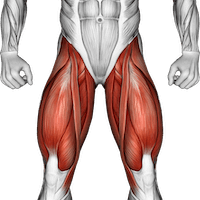
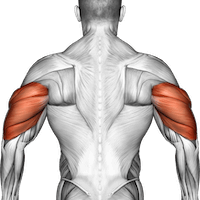
Biceps10%
Shoulders10%
Calves10%
Chest10%
Quads10%
Triceps20%
Equipment Special Bench
Exercise Type
Strength
Sets & Reps Guidance
Beginner3 x 12-15
Intermediate3 x 10-12
Advanced4 x 8-10
Frequently Asked Questions
What muscles does Inverse Leg Curl (on pull-up cable machine) work?
Inverse Leg Curl (on pull-up cable machine) primarily targets the Hamstrings. Secondary muscles involved include Biceps, Shoulders, Calves, Chest, Quads, Triceps. It is classified as a Strength exercise performed with Special Bench.
How many sets and reps should I do for Inverse Leg Curl (on pull-up cable machine)?
For beginners, start with 3 sets of 12-15. Intermediate lifters can do 3 sets of 10-12. Advanced athletes can push to 4 sets of 8-10. Adjust based on your goals and recovery capacity.
Is Inverse Leg Curl (on pull-up cable machine) suitable for beginners?
Yes, Inverse Leg Curl (on pull-up cable machine) is rated as a beginner-friendly exercise, making it an excellent starting point. Focus on mastering proper form before increasing intensity or load.