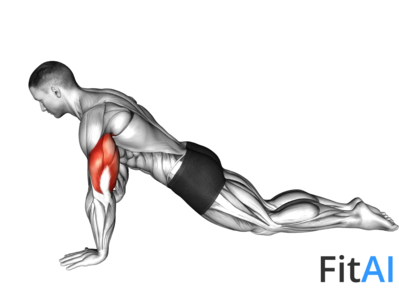
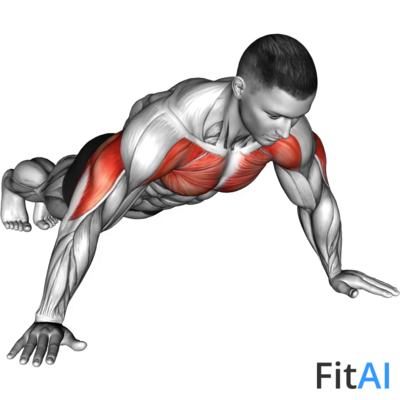
Half to Full Jumping Jack
Expert Advice
Maintain a soft bend in your knees during the jumps to absorb impact and protect your joints.
How-to-do Steps
- Start with your feet together and hands by your sides.
- Jump up and spread your feet to the side while bringing your arms up to shoulder height for a half jumping jack.
- Immediately follow with a full jumping jack by extending your arms fully above your head.
- Return to the starting position and repeat the sequence for the desired number of repetitions.
Track Half to Full Jumping Jack in FitAI
Log your sets, reps, and weights automatically. Get AI-powered progressive overload recommendations and form feedback — personalized to your training history.
Muscles Worked
Half to Full Jumping Jack primarily targets the Quads, Hamstrings, Calves, Glutes, Shoulders, Chest, with Cardio mechanics using Body Weight. Understanding muscle activation patterns helps you focus on proper engagement and maximize training effectiveness.
Primary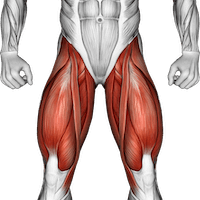
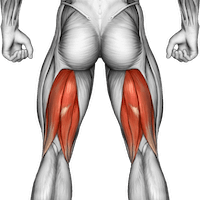
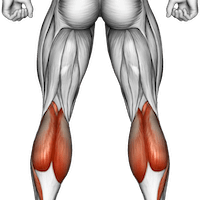
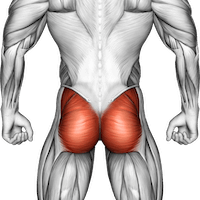
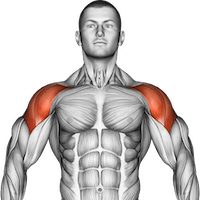
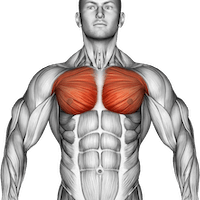
Quads16%
Hamstrings16%
Calves16%
Glutes16%
Shoulders18%
Chest18%
Equipment Body Weight
Exercise Type
Cardio
Sets & Reps Guidance
Beginner3 x 20s
Intermediate3 x 30s
Advanced4 x 45s
Frequently Asked Questions
What muscles does Half to Full Jumping Jack work?
Half to Full Jumping Jack primarily targets the Quads, Hamstrings, Calves, Glutes, Shoulders, Chest. It is classified as a Cardio exercise performed with Body Weight.
How many sets and reps should I do for Half to Full Jumping Jack?
For beginners, start with 3 sets of 20s. Intermediate lifters can do 3 sets of 30s. Advanced athletes can push to 4 sets of 45s. Adjust based on your goals and recovery capacity.
Is Half to Full Jumping Jack suitable for beginners?
Half to Full Jumping Jack is rated as intermediate difficulty. Beginners may want to start with lighter loads or simpler variations and progress to this exercise as their strength and coordination improve.