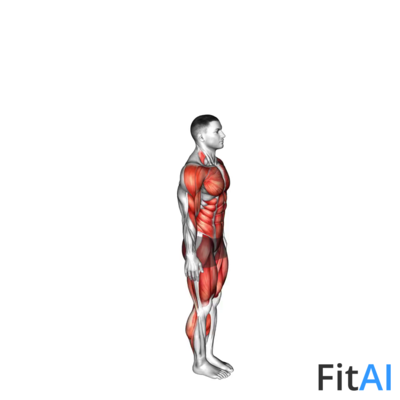
Assault Run
Expert Advice
Maintain an upright posture and use a forefoot or midfoot strike to minimize impact on your joints. Control your breathing and pace yourself according to your fitness level.
How-to-do Steps
- Step onto the Assault AirRunner and begin walking to start the belt moving.
- Gradually increase your pace to a comfortable run.
- Use the console to set your desired speed, distance, or interval training program.
- Keep your arms moving naturally and your gaze forward.
- Slow down gradually before coming to a complete stop.
Track Assault Run in FitAI
Log your sets, reps, and weights automatically. Get AI-powered progressive overload recommendations and form feedback — personalized to your training history.
Muscles Worked
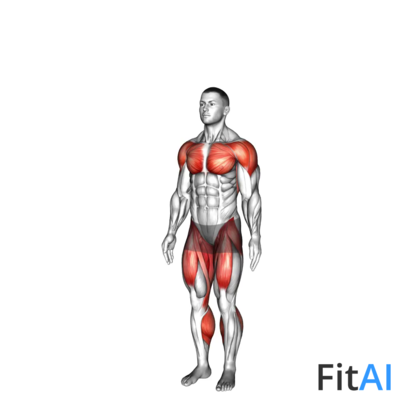
Assault Run primarily targets the Quads, Hamstrings, Calves, Glutes, with Cardio mechanics using Special Machine. Understanding muscle activation patterns helps you focus on proper engagement and maximize training effectiveness.
Primary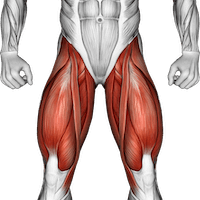
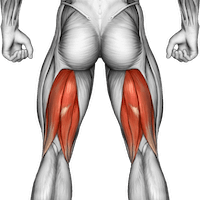
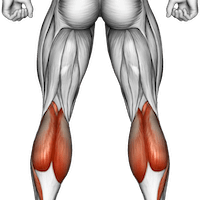
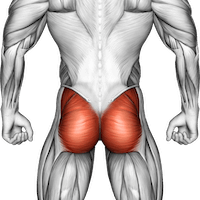
Quads25%
Hamstrings25%
Calves25%
Glutes25%
Equipment Special Machine
Exercise Type
Cardio
Sets & Reps Guidance
Beginner3 x 2min
Intermediate3 x 4min
Advanced4 x 5min
Frequently Asked Questions
What muscles does Assault Run work?
Assault Run primarily targets the Quads, Hamstrings, Calves, Glutes. It is classified as a Cardio exercise performed with Special Machine.
How many sets and reps should I do for Assault Run?
For beginners, start with 3 sets of 2min. Intermediate lifters can do 3 sets of 4min. Advanced athletes can push to 4 sets of 5min. Adjust based on your goals and recovery capacity.
Is Assault Run suitable for beginners?
Assault Run is rated as an advanced exercise and is best suited for experienced lifters. Beginners should build foundational strength with simpler movements first before attempting this exercise.